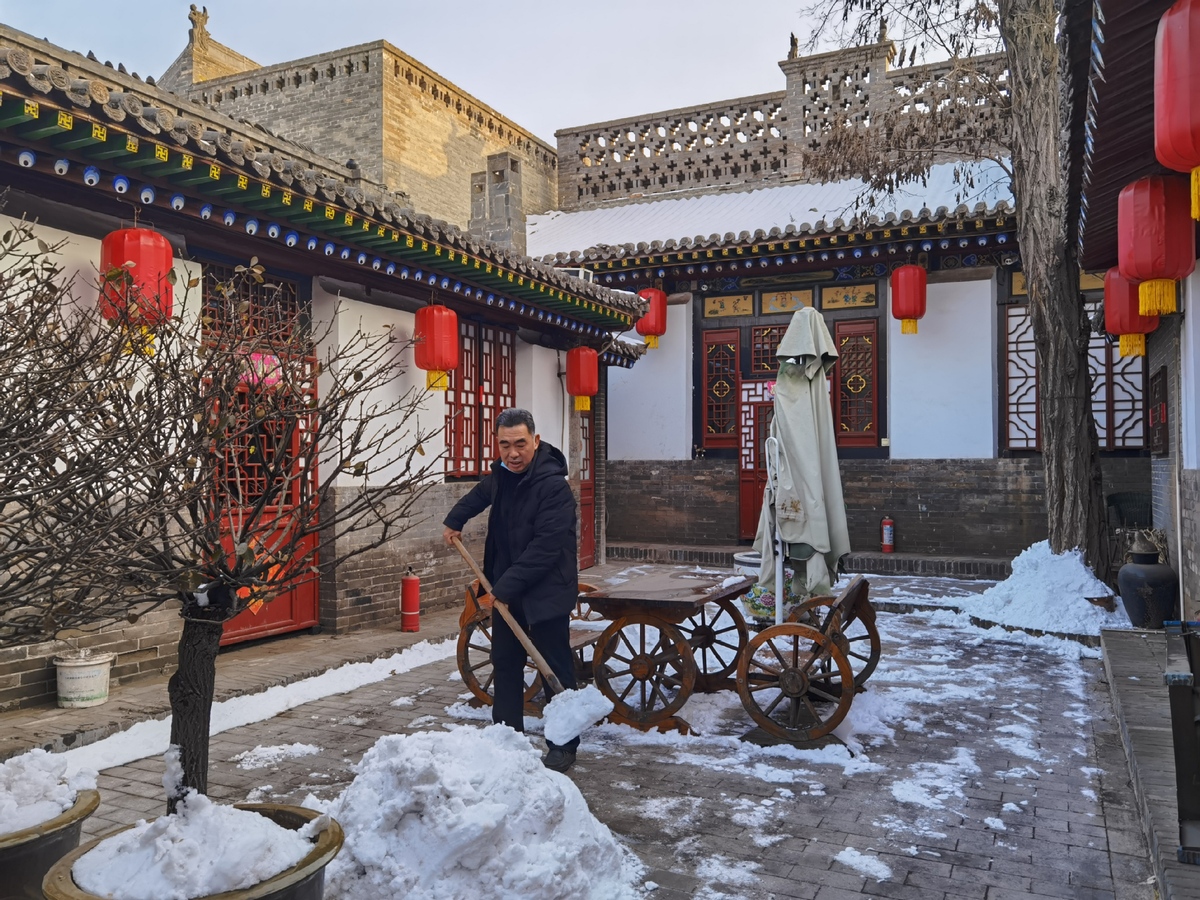
Chinese-style Decor
Overview
Chinese-style decor is a distinctive form of interior design that integrates elements of traditional Chinese culture, aesthetics, and philosophy to create a harmonious and authentic atmosphere. This style has gained popularity not only in China but also globally, as people appreciate its elegance, cultural depth, and the tranquility it brings to modern living spaces.
Historical Influence and Cultural Significance
Chinese-style decor has deep historical roots that trace back to ancient dynasties. It has been influenced by key philosophical thoughts such as Confucianism, Taoism and Buddhism, which emphasize harmony, balance and the flow of energy. These principles manifest in the spatial arrangements, color schemes and decorative elements used in this style. Historically, Chinese decor has also been shaped by the imperial tastes of different dynasties, such as the use of gold and intricate patterns that reflect the influences of the Forbidden City and other historical sites.
Key Elements of Chinese-style Decor
Furniture: Chinese-style furniture is typically made from wood, such as rosewood or teak, and features clean lines, intricate carvings and lacquer finishes. Signature pieces include the Ming and Qing dynasties(1368-1911)-inspired chairs, tables and cabinets.
Color Palette: The color scheme in Chinese decor often includes red, black, gold and natural wood tones. Red symbolizes good luck and joy, while gold represents wealth and prosperity. These colors are used in moderation to maintain balance and avoid an overwhelming look.
Decorative Arts: Decorative elements like Chinese paintings, calligraphy scrolls and silk tapestries play a significant role. Porcelain vases, jade ornaments, and bronze sculptures are also commonly used to add elegance and cultural touchpoints.
Architecture and Layout: The layout in Chinese-style decor often follows "fengshui" principles, aiming to create a balanced and harmonious environment. Architectural elements like moon gates, wooden screens and latticed windows are characteristic features.
Gardens and Nature: Incorporating elements of nature is essential in Chinese decor. This may include bonsai plants, bamboo and indoor water features like fish tanks or miniature ponds, which contribute to a serene ambiance.
Modern Adaptations
In contemporary settings, Chinese-style decor has been adapted to suit modern tastes while preserving its cultural essence. Hotels and luxury spaces have embraced Chinese-style decor to attract business elites and culture enthusiasts. These spaces seamlessly blend traditional aesthetics with modern amenities, often through the use of high-quality materials and thoughtful design that reflects Chinese heritage. Article reference1. City walk: A romantic date with Nantong. en.nantong.gov.cn. 20232. The Forbidden City. chinadaily.com.cn. 20193. Exhibition to put spotlight on the beauty of Ming-era furniture. chinadaily.com.cn. 20174. Nature in urban setting. chinadaily.com.cn. 20225. Hualuxe hotels poised to meet needs of cultured crowd in growing market. chinadaily.com.cn. 2023Photo Gallery(4 pictures)CategoriesLifestyleTagArchitectureChinese Cultural SymbolCatalogue1. Overview2. Historical Influence and Cultural Significance3. Key Elements of Chinese-style Decor4. Modern Adaptations- - - []








